Free UK & EU delivery on orders over £100
Most people's first cold plunge attempt goes one of two ways: they get in too cold, panic-breathe for ninety seconds, get out, and never go back — or they tough it out through gritted teeth, decide it's miserable, and quietly stop showing up after a week. Neither outcome has much to do with the actual physiology, and both are avoidable with a slightly more deliberate approach. Here's a protocol built around what the research actually supports, not around who can tolerate the most discomfort fastest.
The instinct when starting something new is to go all-in — coldest setting, longest tolerable time, prove something to yourself on day one. Resist it. The research behind cold water immersion's benefits, including the meta-analysis by Machado and colleagues, doesn't show that colder or longer produces a bigger effect within the studied range of roughly 11–15°C for 11–15 minutes. There's no physiological cost to starting at the milder end of that range, or even a few degrees above it, while your body and your nervous system learn what's coming.
A reasonable starting point for week one: 15–16°C (59–61°F) for 2–3 minutes. That's genuinely cold — cold enough to trigger the cold shock response Tipton and colleagues describe, which is the involuntary gasp, rapid breathing, and heart-rate spike that happens in the first 30 to 90 seconds regardless of fitness level — but short enough that you're out well before it becomes a battle of will. The goal in week one isn't a training effect. It's teaching your body that this response passes, and that you're safe on the other side of it.
There's no single validated beginner protocol in the literature — the trials study trained protocols in athletes, not onboarding sequences for newcomers — so what follows is a practical, conservative progression built around the temperature and duration ranges that are studied, not a claim that this exact schedule has itself been tested.
This article is for general information and does not constitute medical advice. Cold water immersion is not a medical treatment. Consult a professional if you have cardiovascular conditions.
Two to three sessions a week is a sensible starting frequency. It's often enough to build tolerance and adapt to the cold shock response, without the schedule becoming a chore you quietly abandon. You can add sessions later once it's a habit rather than a hurdle.
Start milder than you think you need to — around 15–16°C (59–61°F) — for your first one to two weeks. There's no evidence that starting colder produces a bigger benefit, and starting too cold is the single biggest reason beginners quit before the habit sticks.
If hypertrophy or strength is the goal, avoid plunging immediately after a strength session — research suggests it can blunt the muscle-building signalling your workout just triggered. Plunge on separate days, before training, or leave several hours' gap after lifting instead.
Progress looks like a shorter, calmer transition through the first 60–90 seconds, a breathing rate that settles faster, and less internal urgency to get out — not necessarily tolerating colder water. Time in the studied range and a settled nervous system are the real markers, not chasing a lower number on the dial.
How cold is cold enough, how long should you stay in, and does colder always mean better? A practical guide grounded in the immersion research.
The research clusters around a specific time window, not 'as long as you can stand it.' Here's what the meta-analysis found, and how to build up to it safely.
The Cochrane review is the anchor for soreness reduction — but there's an important caveat if your goal is building muscle rather than recovering from endurance work.
Where to put it, how to fill it, what actually needs a chiller versus ice, and what you can skip. A practical setup guide for a home cold plunge that gets used.
Weeks 1–2: Habit and tolerance, not intensity. 15–16°C, 2–3 minutes, 2–3 times a week. Focus entirely on your breathing (more on that below) and on completing the session calmly. If 2 minutes feels easy by day three or four, that's a good sign — it means your nervous system is adapting — but resist the urge to jump straight to the coldest setting and longest time. Consistency at a manageable intensity beats intensity you can't sustain.
Weeks 3–4: Extend duration before dropping temperature. Hold 15–16°C but extend toward 5 minutes. Extending time at a temperature you've already adapted to is a gentler progression than adding cold and duration simultaneously. By the end of week 4 you should be able to sit through 5 minutes without your breathing spiking back to first-session levels.
Weeks 5–6: Bring the temperature down. Drop toward 12–13°C, dialing duration back to 3–4 minutes while your body recalibrates to the new temperature. This is the point where you're approaching the range used in most of the recovery research (Machado et al.'s pooled trials sit at 11–15°C), so from here on you're building toward a protocol that's actually representative of what's been studied, not just "cold water, however you feel."
Weeks 7–8 and beyond: Settle into the studied range. 10–13°C for 10–15 minutes is a reasonable target range to work toward, in line with the durations used across the trials showing a soreness-reduction benefit. You don't need to go colder than this for the muscle-soreness effect — there's no dose-response evidence that pushing further into single digits does more. Once you're comfortably completing sessions in this range without the early panic response, you've built a genuine, evidence-aligned habit, not just a tolerance for suffering.
If at any point a step feels like a struggle rather than manageable discomfort, stay at the previous week's settings for another week before moving on. There's no schedule here worth rushing — the whole point of a gradual build is that it's the version of this habit you'll still be doing in six months.
Two to three sessions a week is a solid baseline once you're past the first couple of weeks, and it matches roughly how often most recovery-focused athlete protocols in the literature are applied — as a post-exercise or a few-times-weekly practice, not a daily extreme. There isn't strong evidence that daily plunging outperforms a few sessions a week for general benefit, and a lower-frequency routine is simply easier to sustain long-term, which matters more than any theoretical extra benefit from doing it every day.
If you're plunging for the subjective effects — alertness, mood, a settled nervous system — rather than specifically for athletic recovery, there's more room to plunge on a schedule that suits your week rather than chasing a specific frequency. The evidence base is strongest around post-exercise recovery protocols, so if that's not your primary goal, consistency at a frequency you'll actually keep is the more defensible target than any particular number.
This is the part of a beginner routine most people get wrong, because "cold plunge after a workout" is the default assumption in almost all fitness content. It's a reasonable default if your training is aerobic or general conditioning — but it comes with an important caveat if you're strength training for muscle size or strength gains.
Roberts and colleagues (2015), publishing in The Journal of Physiology, ran a 12-week controlled trial where one group of strength-training men used cold water immersion after each session and another used active recovery instead. The cold-water group showed blunted anabolic signalling and, over the full 12 weeks, smaller gains in muscle size and strength compared to the active-recovery group. The proposed mechanism: the same inflammatory and cellular stress response that cold water dampens — plausibly part of why it reduces soreness — also appears to be part of the signal that tells muscle to adapt and grow after a strength stimulus. Blunt one, and you may be blunting the other. We cover this finding in more depth in cold water immersion and muscle recovery.
The practical takeaway for your routine, if hypertrophy or strength is a goal: don't plunge immediately after strength training. A few reasonable ways to structure around this:
None of this applies in the same way if your training is primarily endurance-based, general conditioning, or you're not specifically chasing hypertrophy — the Roberts finding is specific to a strength-training adaptation context, not a blanket rule against ever combining cold with any kind of exercise.
The cold shock response Tipton and colleagues describe — the gasp, the rapid shallow breathing, the spike in heart rate and blood pressure — is the single biggest reason people quit after one bad first session. It's involuntary and happens to everyone, regardless of fitness. Managing it is less about mental toughness and more about a specific, learnable skill:
If you have a heart condition, uncontrolled high blood pressure, or any history of arrhythmia, talk to a doctor before starting. This isn't boilerplate caution — cold water immersion genuinely does increase cardiovascular load in the first moments of entry, and that's worth taking seriously rather than treating as marketing fine print.
Because the temperature and duration research doesn't show colder-is-better, "progress" for a beginner shouldn't be measured purely by how low the dial goes. Better markers:
Chasing a colder number without these markers in place is how people either hurt their consistency or push past what their cardiovascular system is currently ready for. Build the tolerance first; let the temperature follow.
A few practical notes that make the difference between a routine that lasts and one that fizzles after a month:
Start milder and shorter than your instincts tell you to. Progress duration before you progress cold. Settle into roughly 10–15°C for 10–15 minutes over six to eight weeks, not on day one. Keep strength-training days and plunge sessions separated if muscle growth is a priority. And measure progress by how calmly you handle the process, not by how low the number on the thermometer goes. That's the version of this habit that's still part of your week a year from now.
This article is for general information and does not constitute medical advice. Cold water immersion carries cardiovascular risk, particularly for people with heart conditions, uncontrolled high blood pressure, or a history of arrhythmia. Consult a doctor before starting, never plunge alone, and stop immediately if you feel unwell.
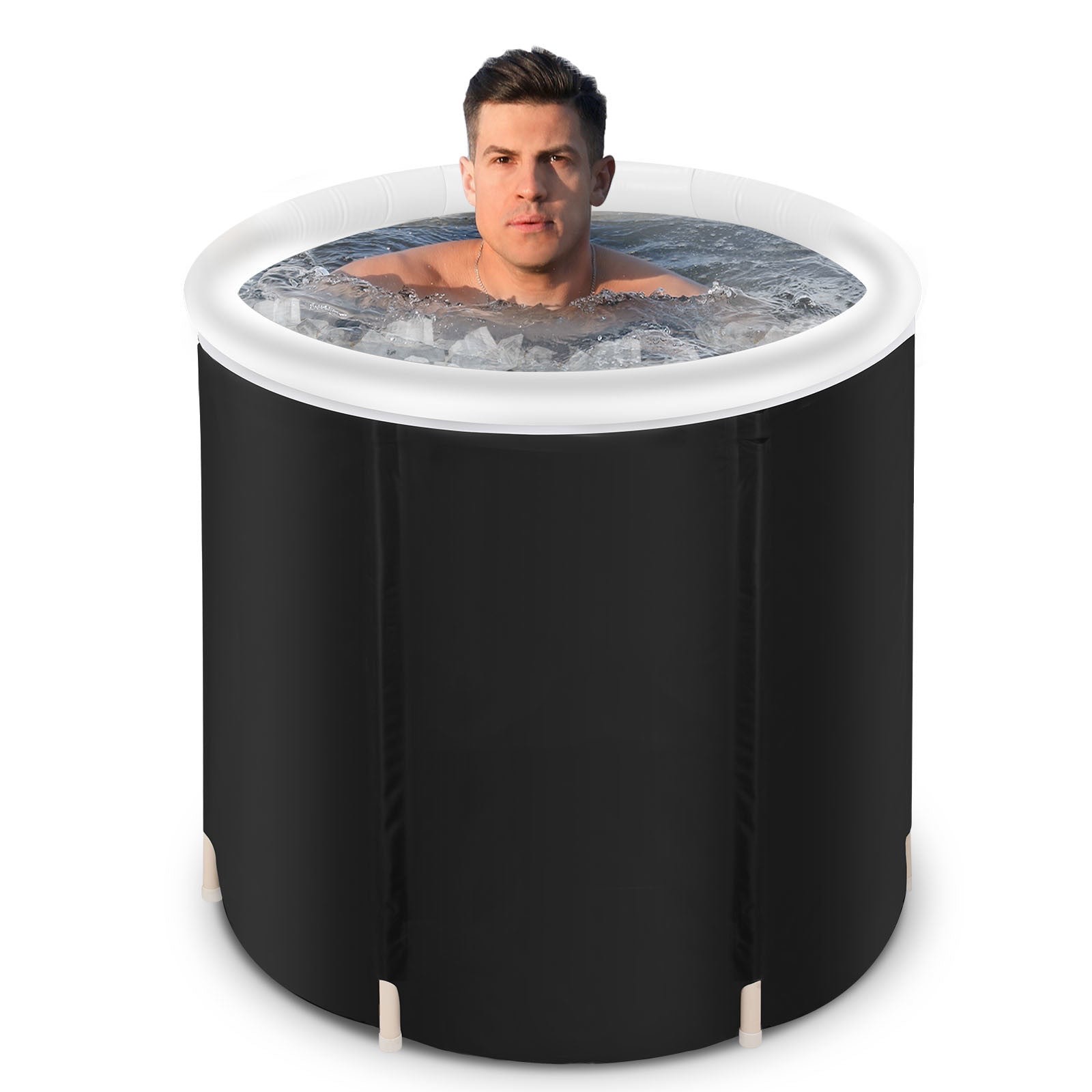
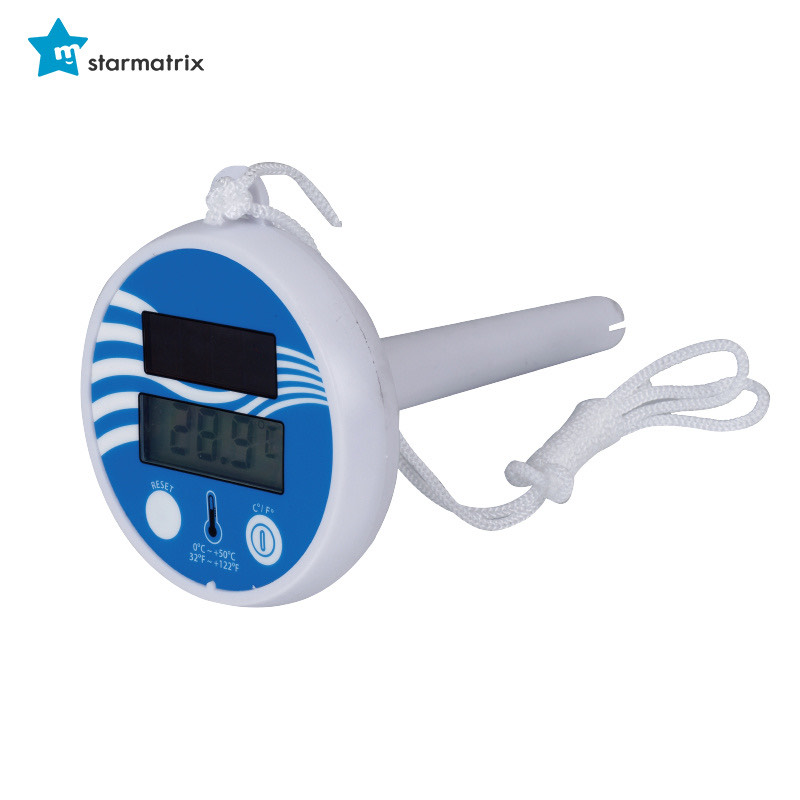
Kaldera Plunge 80 + Chill Core 300 + Floating Thermometer, boxed together