Free UK & EU delivery on orders over £100
Ask how long to stay in an ice bath and you'll get answers ranging from ninety seconds to twenty minutes, usually with no reference to any study. The actual research is more specific than that — and it points toward a window that's shorter and more forgiving than the "stay in until you can't take it" advice common in fitness content.
Machado and colleagues' 2016 systematic review and meta-analysis in Sports Medicine pooled the immersion protocols used across the cold-water-immersion trial literature for post-exercise recovery. Across the included studies, immersion durations clustered between roughly 11 and 15 minutes, at water temperatures of 11–15°C. This wasn't an arbitrary convention researchers happened to converge on — it reflects a practical balance: long enough and cold enough to produce a measurable soreness-reduction effect, short enough that participants could actually complete the protocol without early withdrawal.
That 10–15 minute window is the single most defensible answer to "how long" if your goal is reproducing what the studies that show a benefit actually did.
It's tempting to treat time and temperature as separate dials, but the more useful way to think about an ice bath session is as a combined "cold dose" — the product of how cold the water is and how long you're in it. A very cold, brief session and a milder, longer session can represent similar total cold exposure, even though neither number alone looks like the study protocol.
This matters because Machado's meta-analysis specifically examined whether varying temperature or duration within the studied ranges changed the size of the soreness-reduction effect — and found no clear dose-response relationship. In other words, going colder or staying in longer than the studied range isn't shown to increase the benefit; it just increases the total physiological stress and discomfort for a result that looks similar to the protocol at the milder end. If you're deciding between 12 minutes at 14°C and 12 minutes at 10°C, the meta-analysis gives you no evidence-based reason to prefer the colder option.
This article is for general information and does not constitute medical advice. Cold water immersion is not a medical treatment. Consult a professional if you have cardiovascular conditions.
The trials in the Machado meta-analysis mostly used 10–15 minutes, and the review didn't find that longer sessions produced a bigger soreness-reduction effect within that range. There isn't strong evidence for a shorter 'minimum effective dose' below that, since it hasn't been the focus of controlled research — but there's also no evidence you need to push past 15 minutes.
Yes, in a way separate from the cold shock response. Prolonged immersion drops core body temperature and increases the risk of hypothermia, especially at colder temperatures or with thinner body composition. The safety signals to get out early are more important than hitting a target time — never override how your body is responding for the sake of a number.
No. Building tolerance gradually — shorter sessions at a milder temperature first — is a reasonable, evidence-consistent approach, since the meta-analysis didn't find that a bigger dose (colder or longer) produced a bigger benefit. There's no cost to easing in.
The Machado meta-analysis specifically tested for this and didn't find a clear dose-response relationship for duration within the 11–15°C, 11–15 minute range studied. More time in the water isn't shown to mean more benefit — it may just mean more discomfort and more cold exposure risk for a similar result.
How cold is cold enough, how long should you stay in, and does colder always mean better? A practical guide grounded in the immersion research.
Cold showers and full immersion aren't the same intervention. Here's what the trial evidence says each one actually does, and which one fits which goal.
A clear-eyed look at the evidence behind cold water immersion — muscle soreness, mood, sleep, and where the science is still thin.
The reason a floor exists at all — why 90 seconds in a cold shower doesn't produce the same measured soreness effect as a 10-minute plunge — comes down to what has to happen for the proposed mechanisms to kick in. Cold water immersion works partly through vasoconstriction reducing blood flow and swelling in the immersed tissue, and partly through a broader autonomic and inflammatory response. Both of those need sustained exposure to develop; a few seconds of cold water triggers the initial shock response but not the sustained vasoconstriction and cooling of deeper tissue that the recovery trials are built around. That's the physiological argument for treating 10 minutes as closer to a floor than a suggestion, if your goal is the soreness-reduction effect specifically.
Nobody needs to hit 15 minutes at 11°C on day one, and there's no evidence in the literature that skipping straight to the studied protocol produces a better result than working up to it. A reasonable, evidence-consistent progression:
This isn't a "toughen up faster" schedule — it's paced around the fact that the meta-analysis found no benefit to rushing toward the coldest or longest end of the range, so there's no reason to force it before you're ready.
Time in the water is a target, not a rule that overrides how your body is actually responding. Tipton and colleagues' review on the physiology of cold water immersion lays out why: beyond the initial 30–90 second cold shock response, prolonged immersion carries a separate risk — a genuine drop in core body temperature that can progress toward hypothermia the longer you stay in, particularly in colder water or with less body insulation.
Signs that it's time to get out regardless of how long you've planned to stay in:
None of these are about willpower. A plunge session is not a test of whether you can override your body's signals — the studies showing a soreness benefit used a specific, moderate protocol, not an endurance challenge, and stopping early because something feels wrong doesn't cost you the benefit of a session done properly another day.
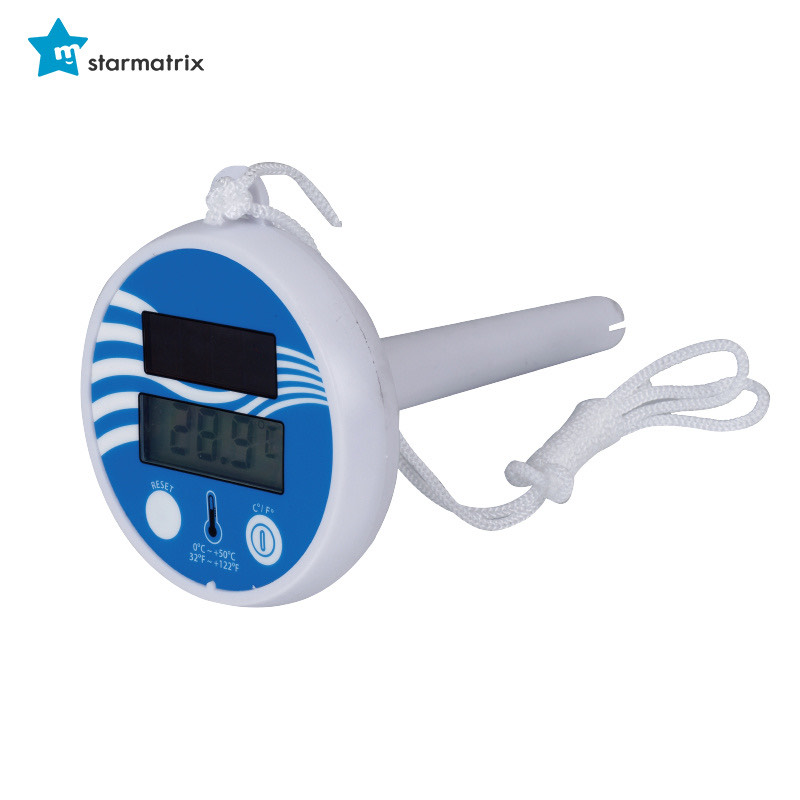
A recurring failure mode in home cold-plunge routines is judging duration by how the session feels rather than by a timer. This cuts in both directions. Some people get out well before 10 minutes because the discomfort peaks early and eases off, mistaking the ease for "done" when they haven't reached the studied window. Others, especially anyone treating the plunge as a willpower exercise, push well past 15 minutes because the discomfort has become oddly tolerable, unaware that comfort at that point can be an early sign of numbness rather than adaptation. Neither pattern reliably tracks the actual clock, which is exactly why Machado's meta-analysis and the trials feeding it used a stopwatch and a thermometer rather than "immerse until it feels done." A simple waterproof timer, or the display on a chilled tub, removes the guesswork and keeps you inside the range the evidence actually covers — not shorter out of impatience, not longer out of misplaced discipline.
Nearly all of the trials behind the Machado meta-analysis immersed participants to the waist or chest, not just the feet or lower legs. This matters for interpreting "how long," because a smaller immersed surface area is a meaningfully different cold dose than full immersion at the same water temperature and duration — less skin in contact with cold water means slower and shallower core cooling, and likely a smaller version of the mechanisms the recovery trials are built on. If you're using a tub or vessel that only covers your legs, treating the same 10–15 minute window as equivalent to a full-torso immersion protocol is an assumption the literature doesn't directly support one way or the other. It's a reasonable starting point in the absence of dedicated research on partial immersion, but it's worth naming as an assumption rather than a proven equivalence.
How long you stay in interacts with why you're doing it. If your goal is the soreness-reduction effect Bleakley's Cochrane review and the Machado meta-analysis describe, 10–15 minutes post-exercise is the evidence-backed window (see our muscle recovery article for the timing nuance around strength training specifically). If you're plunging for the alertness and mood-adjacent effects, there's less direct duration research to lean on — the Šrámek study measuring the noradrenaline response used shorter immersion periods in a controlled lab setting, not a 15-minute home protocol, so treat "longer is more energizing" as untested extrapolation rather than a finding.
None of the guidance above changes materially once you've been plunging for months rather than weeks. There isn't evidence that experienced plungers should push past the studied 10–15 minute window, or that tolerance built over time unlocks some additional benefit from staying in longer — the meta-analysis's null finding on dose-response doesn't have an exception for advanced practitioners. What experience typically buys you is a calmer, faster-resolving cold shock response and better judgment about your own warning signs, which matters for safety, not for whether a longer session is doing more for recovery. If anything, the main risk with experience is complacency: a seasoned plunger ignoring an early hypothermia signal because "I always push through this part" is a worse position to be in than a nervous beginner who gets out at minute six because something felt off.
If you want one number: 10–15 minutes, in water around 10–15°C, is what the trial evidence actually supports — not because it's an arbitrary tradition, but because it's the range the studies showing a real (if moderate, low-certainty) soreness benefit were built on. Going colder or longer isn't shown to help more. Getting out earlier because of a genuine warning sign is never a failure. Everything else is a matter of personal tolerance, not evidence.
This article is for general information and does not constitute medical advice. Cold water immersion carries cardiovascular and hypothermia risk, particularly for people with heart conditions, uncontrolled high blood pressure, or a history of arrhythmia. Consult a doctor before starting, never plunge alone, and stop immediately if you feel unwell.

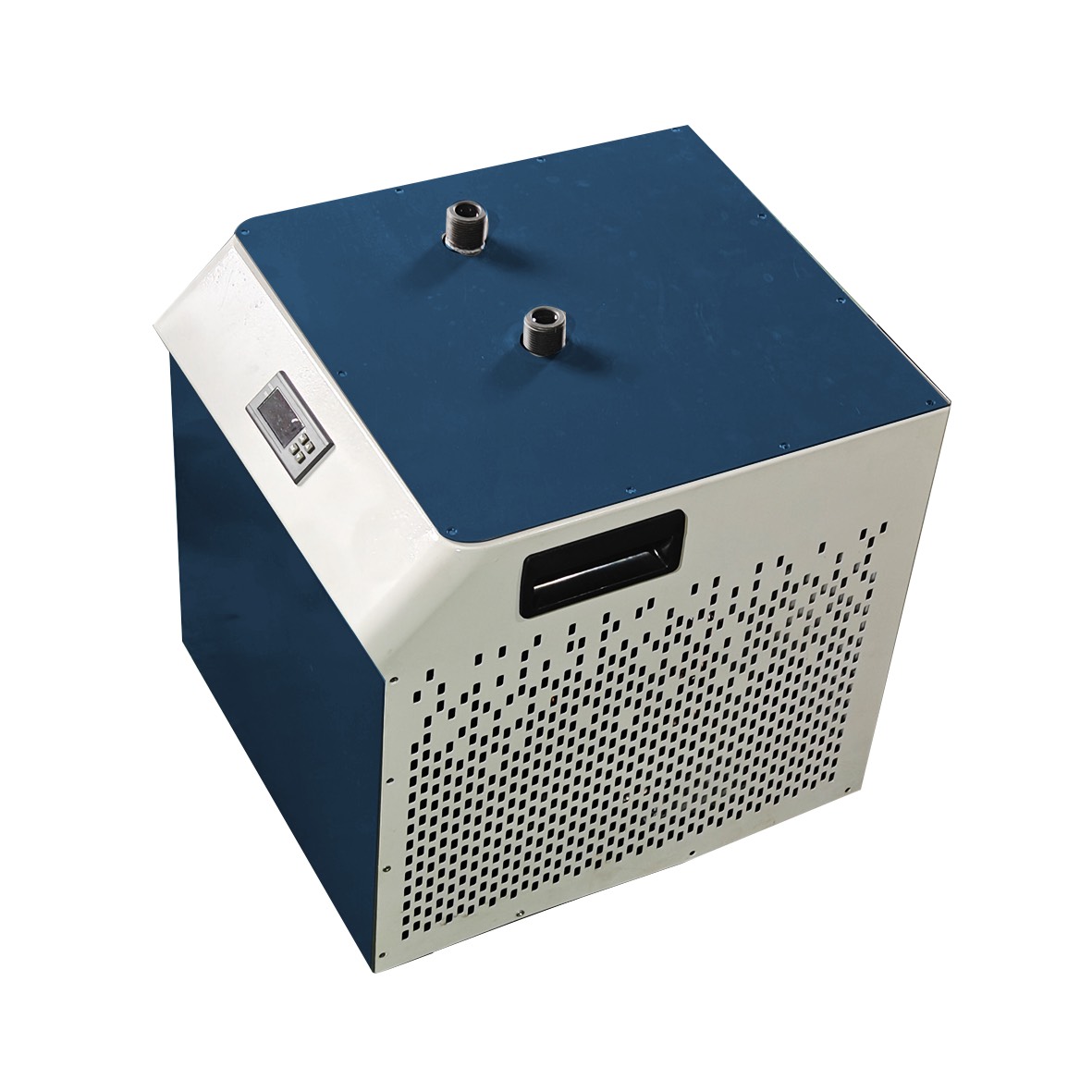
Entry chiller for tubs up to 350L, 3–15°C range