The gap between "I want a cold plunge routine" and "I actually have a working setup at home" is almost always logistics, not motivation. People research temperature and duration protocols in detail, then get stuck on questions nobody warned them about: where does this go, how do I fill it, what happens to the water when I'm done, and do I really need a chiller or can I just use ice. Here's the practical version of that decision-making.
Indoor vs outdoor placement
Indoor setups are the more usable option for most of the year in the UK and northern Europe, simply because you're not fighting the weather to use your own routine. The tradeoffs to plan for:
Flooring. You need a surface that tolerates splashes and the occasional slow leak without damage — tiled bathrooms, sealed concrete (garages, utility rooms, basements), or a rubber gym mat under the tub on other surfaces. Carpet and untreated wood are the two flooring types most likely to cause a problem you'll regret.
Ventilation and condensation. A tub full of cold water in a small, poorly ventilated room can produce noticeable condensation, especially in colder months when the temperature differential between water and room air is larger. A bathroom or utility room with an extractor fan handles this better than a sealed cupboard-sized space.
Ceiling height and access. Sounds obvious until you're trying to get a rigid tub through a stairwell. Check delivery dimensions against your actual access route, not just the room you're placing it in.
Outdoor setups solve the flooring and drainage questions almost entirely — a garden, patio, or decking area lets you drain freely onto the ground or into an existing drain — but introduce their own considerations:
A hard, level base. Decking, paving, or a concrete pad. Uneven ground under a full tub is both a stability issue and a drainage problem, since water pools wherever the tub happens to lean.
This article is for general information and does not constitute medical advice. Cold water immersion is not a medical treatment. Consult a professional if you have cardiovascular conditions.
Frequently asked questions
Do I need a chiller, or is ice enough?
Ice works for occasional use, but it's a poor fit for a regular routine. A single session can need 15–25kg of ice to bring a full tub down into a useful range, and the temperature keeps drifting upward as it melts. A chiller holds a set temperature for as many sessions as you want without a supply run, which matters more the more often you actually plan to use the tub.
Can I set up an ice bath indoors?
Yes, with two things sorted first: a floor that can handle occasional splashes or a slow leak (tile, sealed concrete, or a rubber mat under the tub), and a plan for where water goes if you drain it — a floor drain, a route to a sink or drain hose, or a large enough catch container. Indoor setups are far more usable in cold or wet climates, which is most of the UK and much of northern Europe for a good chunk of the year.
How much water does a home ice bath actually need?
It depends on the tub, but expect somewhere between roughly 200 and 400 litres for a single-person plunge tub, and considerably more for a shared or double-occupancy unit. This matters for both fill time and for how much ice you'd need if you're not using a chiller — bigger volumes are more forgiving on temperature stability but slower and more expensive to cool by hand.
What's the one thing people underestimate when setting up at home?
Drainage and refill logistics, not the tub itself. Most people plan around the tub they want and the temperature they're aiming for, then realise afterward that draining 300 litres of water regularly, or refilling from a hose each time, is the actual daily friction point. Sort this before you buy, not after.
Weather exposure for the tub itself and for you. A tub left outdoors year-round faces UV exposure, freeze risk in winter, and debris (leaves, garden matter) more than an indoor equivalent, which has implications for water care — covered in more depth in ice bath water care and maintenance.
Privacy and practicality of actually using it. An outdoor tub at the bottom of the garden gets used less often than one a few steps from your back door, especially at 6am in January. Proximity matters more for a habit than it seems on paper.
There's no universally correct answer here — it's genuinely a function of your climate, your home layout, and how motivated you'll be to walk further than the length of a hallway on a cold morning.
Drainage and flooring: the part people underplan
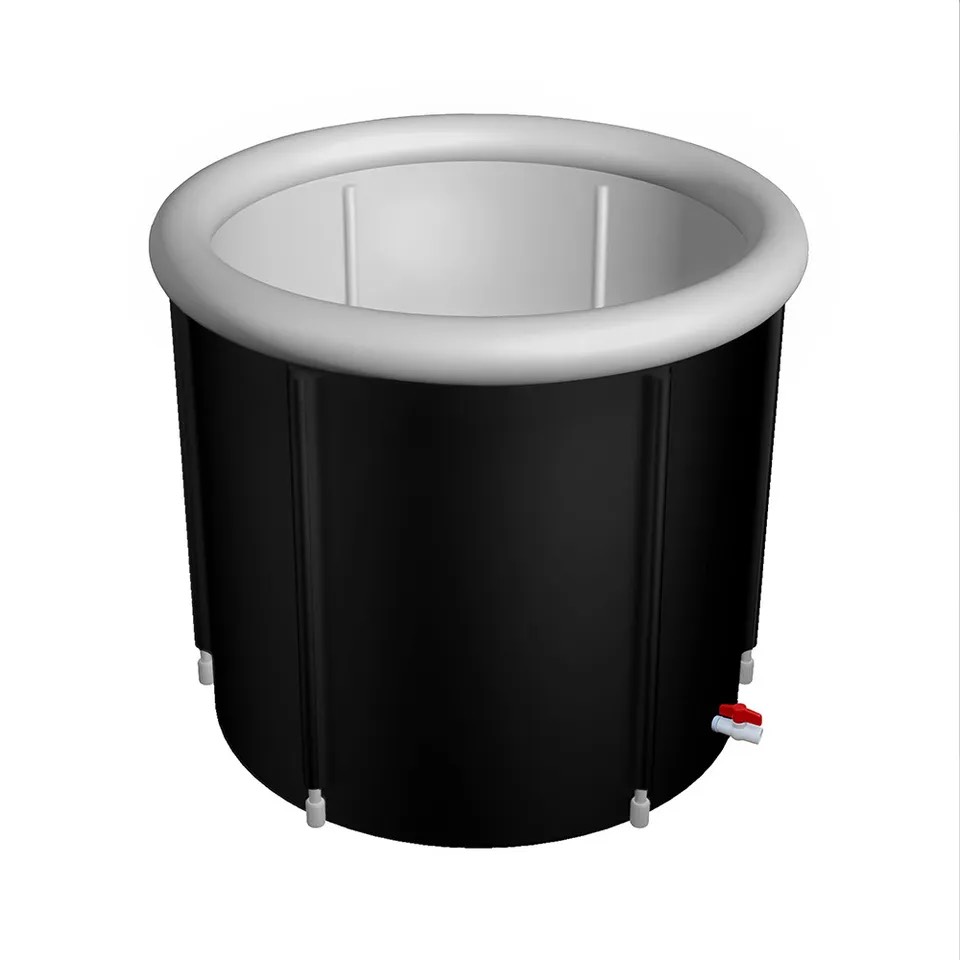
This is worth its own section because it's consistently the thing people realise too late. A single-person plunge tub commonly holds somewhere in the range of 200–400 litres. That's not water you want to be bailing out by bucket on a regular basis.
Questions worth answering before you buy, not after:
Is there a floor drain, or a route to one, near where the tub will sit? A tub with a drain valve and hose that reaches an existing floor drain or an exterior door is dramatically lower-friction than one you need to siphon or bucket out.
If outdoors, does the ground slope away from your house? Draining several hundred litres of water toward a foundation repeatedly is a problem you want to avoid from day one, not fix after noticing damp.
What's underneath the tub, long-term? Even a well-sealed tub can produce condensation, minor splash-out during entry and exit, or occasional overflow. A mat or tray underneath protects flooring you care about, and it's a cheap addition relative to what a slow leak onto real wood flooring costs to fix.
Filling the tub: ice vs a chiller
This is the single biggest cost-and-convenience decision in a home setup, and it's worth being honest about the tradeoffs rather than assuming one option is obviously right.
Ice is the lower upfront cost option and can work well for occasional use. The practical numbers: bringing a mid-sized tub down into a useful range for a single session commonly requires somewhere around 15–25kg of ice, depending on your starting water temperature and how cold you're aiming for. That's a real, recurring cost and a real recurring errand — bagged ice, freezer space, or a regular delivery — and the temperature isn't stable once you're in: it drifts upward as the ice melts, particularly over a longer session. If you're plunging once a week or less, or you enjoy the ritual of prepping ice, this can be a perfectly reasonable way to start.
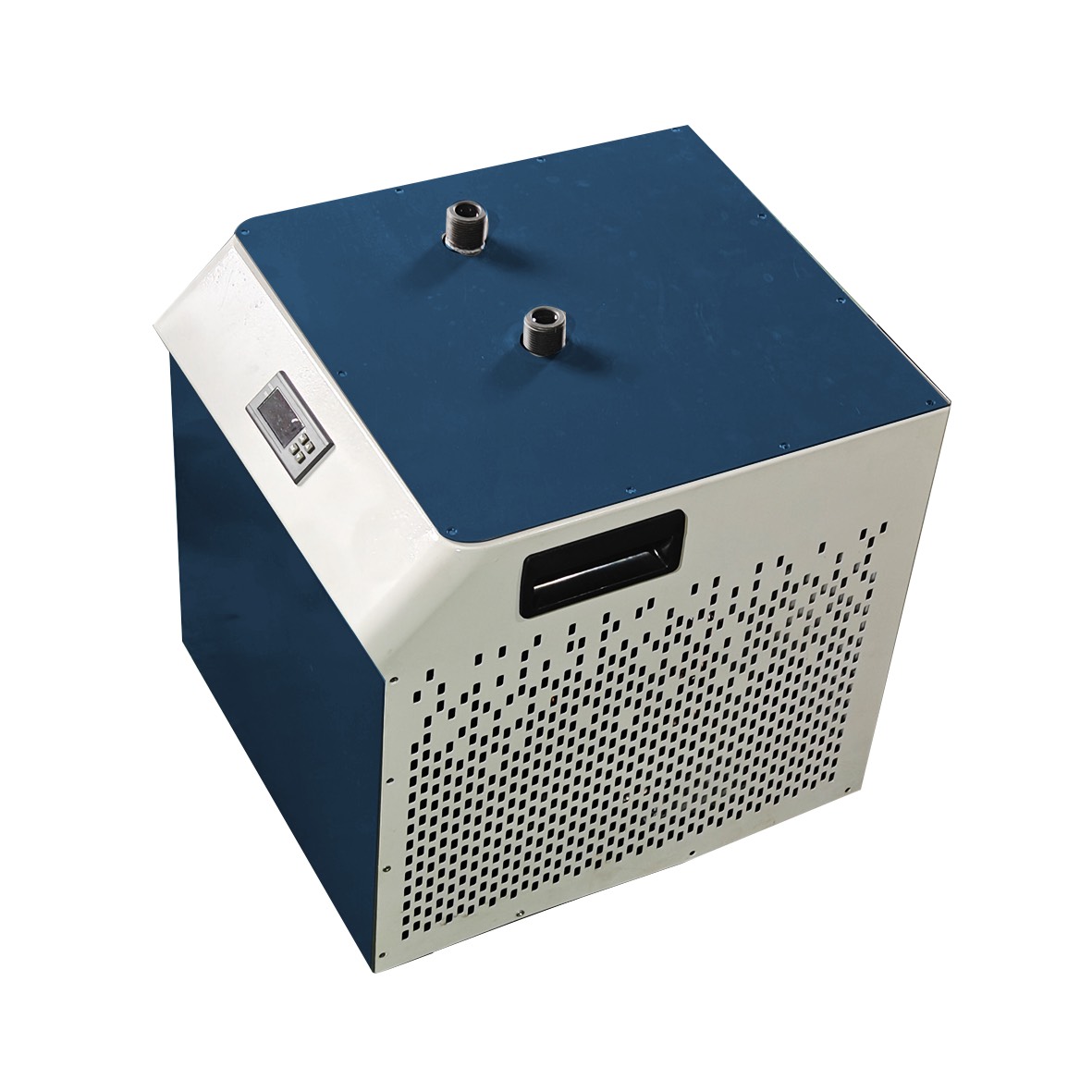
A chiller unit solves the two things ice can't: it holds a set temperature rather than drifting, and it removes the recurring ice supply chain entirely once it's running. This matters more the more often you plan to use the tub — for a routine that's several sessions a week (see our beginner protocol for a typical build-up schedule), the ice-restocking overhead adds up fast, both in cost and in the friction of remembering to buy it. It's also the more reliable way to actually reproduce the temperature ranges used in the underlying research: Machado and colleagues' meta-analysis on cold water immersion for recovery pooled studies using roughly 11–15°C, and a tub that drifts several degrees over a session makes it harder to know which part of that evidence you're actually replicating. If you're building this into a real routine rather than trying it once, a chiller like the Chill Core 300 is the more sustainable long-term choice, even though it costs more upfront than a bag of ice.
Insulation and lids
An insulated tub or a well-fitting lid does two jobs: it slows temperature drift between and during sessions, and it keeps the water cleaner between uses by keeping out dust, leaves, and airborne debris — which matters more for outdoor setups than indoor ones, and matters more the less often you're changing the water (see water care and maintenance for how that interacts with your maintenance schedule). A lid also reduces evaporative heat loss and cooling-system workload if you're running a chiller continuously, which can meaningfully reduce running costs over a season.
If you're using ice rather than a chiller, a lid between sessions slows the rate at which your ice melts and the water rewarms, stretching the useful window between top-ups.
How much water volume you actually need
Single-person plunge tubs commonly range from around 200 litres up to roughly 300–350 litres depending on design and how much you want to be able to stretch out or sit fully submerged to the shoulders. Larger, shared, or double-occupancy tubs — like the Kaldera Plunge 550 XL — run considerably higher.
More volume means more thermal mass, which is a genuine practical benefit: a bigger body of water resists temperature swings from your body heat entering it session after session better than a smaller one does, so it holds a stable temperature for longer between chiller cycles or ice top-ups. The tradeoff is fill time, ice requirements if you're not using a chiller, and physical footprint. For most single-user routines, a mid-sized tub in the 250–320 litre range is a reasonable middle ground between stability and practicality.
What you actually need vs what's nice to have
Actually need:
The tub itself, sized and placed with drainage and flooring already sorted.
A way to reach and hold a useful temperature — either a chiller or a reliable ice supply, chosen based on how often you'll realistically use the setup.
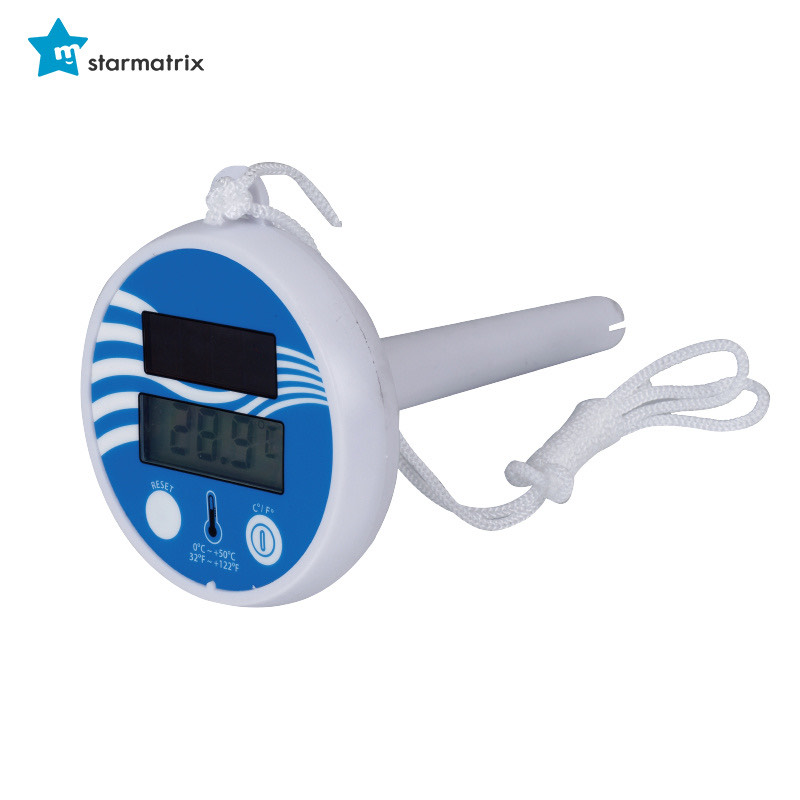
An accurate thermometer. Built-in displays on tubs and chillers can drift or read the water near a heating element rather than where you actually sit, and the gap between your intended temperature and the real one is exactly the gap that determines whether you're following any protocol at all, beginner or otherwise. A standalone digital thermometer is inexpensive and removes the guesswork.
A plan for getting out and warming up — a towel and dry clothes within reach, since fumbling around cold and wet after a session is both unpleasant and, in a cold room, a real chill risk on top of what you just did in the tub.
Nice to have, not essential:
A lid, especially if you're outdoors, using ice, or leaving water in the tub between sessions rather than draining after each use.
A robe or dedicated change layer — genuinely useful for comfort and for making the post-plunge routine faster and less miserable in a cold room, but not something the plunge itself depends on. A thermal change robe is a reasonable quality-of-life upgrade once the core setup is sorted, not a first purchase.
A dedicated water care kit — matters more once you're keeping water in the tub for multiple sessions rather than draining and refilling every time. Covered fully in ice bath water care and maintenance.
A bundled setup — if you're deciding between piecing together a tub, chiller, and accessories individually versus a packaged option, a starter bundle is worth comparing against buying separately, mainly for the convenience of one delivery and one set of compatible parts rather than any difference in what the water itself does.
A simple decision framework
If you're still narrowing down what to actually buy, work through it in this order:
Where will it live, and have you actually solved drainage and flooring for that spot — not just "does it fit."
How often will you realistically use it — if it's more than once a week, budget for a chiller over an ice routine; the running cost and convenience gap compounds fast.
How many people will use it — solo routine or shared household use changes the volume and tub size that make sense.
What's your climate and season — colder climates and winter use lean indoor; if outdoor is your only option, plan for insulation and a lid from the start rather than adding them later.
Getting these four questions right before you buy solves the vast majority of the friction that causes a home cold plunge setup to sit unused after the first month. The tub matters less than whether the fifteen seconds between deciding to plunge and actually being in the water are frictionless.
This article is for general information and does not constitute medical advice. Cold water immersion carries cardiovascular risk, particularly for people with heart conditions, uncontrolled high blood pressure, or a history of arrhythmia. Consult a doctor before starting, never plunge alone, and stop immediately if you feel unwell.
Floating Digital Thermometer
Waterproof floating thermometer with instant digital readout