Loading…
Guide
Contrast therapy: combining sauna and cold the right way
9 min read
Contrast therapy — alternating hot and cold exposure in the same session — has a long history in bathing cultures across Scandinavia, Russia, and Japan, and it's become a common pairing in home wellness setups now that saunas and plunge tubs are both realistic purchases for a single household. What's less commonly discussed is how thin the direct evidence for the practice actually is, and how much of what gets repeated as "the protocol" is really just common practice rather than something a controlled trial has specifically validated. That doesn't mean it's not worth doing — it means it's worth doing with honest expectations and real attention to the cardiovascular side of the equation.
What contrast therapy is actually claimed to do
The general idea behind hot-cold cycling is vascular: heat causes blood vessels to dilate and blood flow to increase toward the skin and periphery, while cold causes vasoconstriction, pushing blood back toward the body's core. Alternating between the two is theorised to create a "pumping" effect on circulation, and proponents connect this to reduced muscle soreness, improved recovery, and a subjective sense of alertness or reset at the end of a session.
It's worth being direct about the state of the evidence here: most of the specific claims made for hot-cold contrast protocols — as opposed to cold exposure alone — don't have the same weight of controlled trial evidence behind them as cold water immersion does on its own. The cold-immersion research we cite elsewhere on this site, including Machado and colleagues' meta-analysis on temperature and duration for muscle soreness, studies cold exposure in isolation, not paired with a preceding heat exposure. Sauna-then-cold as a specific combined protocol is common practice with a long cultural track record, but that's a different thing from a body of randomized controlled trials showing a measurable additive benefit over cold alone. We think that distinction matters, and we're not going to dress up tradition as trial evidence.
What we can speak to with more confidence is the physiology of what's happening to your cardiovascular system during the transitions — because that part is well documented, and it's the part that actually matters for doing this safely.
Ordering: hot-to-cold, cold-to-hot, or does it matter
This is one of the more debated questions in contrast therapy, and the honest answer is that there isn't a strong evidence base settling it either way. Here's the reasoning on both sides, and the common practice that's emerged from it:
Ending on cold is the more common recommendation in most contrast-therapy guidance, on the logic that it leaves you with the vasoconstricted, alert, "reset" feeling that most people are actually seeking from the practice — similar to the subjective effects covered in cold exposure, mood, and energy. It's also arguably the more intuitive bookend if your primary goal is the cold-exposure benefit and the sauna is there to make the cold plunge itself feel more dramatic and enjoyable by contrast.
Ending on hot is preferred by some for pure comfort and relaxation purposes — going to bed or ending an evening warm rather than cold has an obvious appeal, and some people find prolonged post-cold shivering unpleasant enough that they'd rather finish warmed up.
Given that neither ordering has a strong, specific trial base behind it, our honest position is: this is a preference decision, not a physiological one you need to get "right." If your goal is the alertness and subjective reset that cold exposure tends to produce, end cold. If comfort and winding down is the priority, end hot. Either way, the health-relevant part of the protocol isn't which one comes last — it's how you manage the transitions themselves, which is where the real cardiovascular load sits.
A practical cycling protocol
Again, treat the following as a reasonable structure built around commonly practiced ranges — not a specific trial-tested protocol:
- Heat phase: 10–15 minutes in a sauna or sauna blanket, enough to raise core and skin temperature and produce a genuine sweat, without pushing to the point of lightheadedness.
- Cold phase: 1–3 minutes in cold water, considerably shorter than a stand-alone cold-immersion session (which the Machado meta-analysis pools at roughly 11–15°C for 11–15 minutes). Contrast-cycling cold phases are typically much shorter than that because you're not trying to replicate a stand-alone cold-immersion protocol — you're using the cold as one half of a cycle, not the main event.
- Repeat for 2–4 rounds, finishing on whichever temperature matches your goal for the session.
- Total session time: Roughly 30–45 minutes including transitions, which is a common practical ceiling before diminishing comfort and rising fatigue make additional rounds counterproductive.
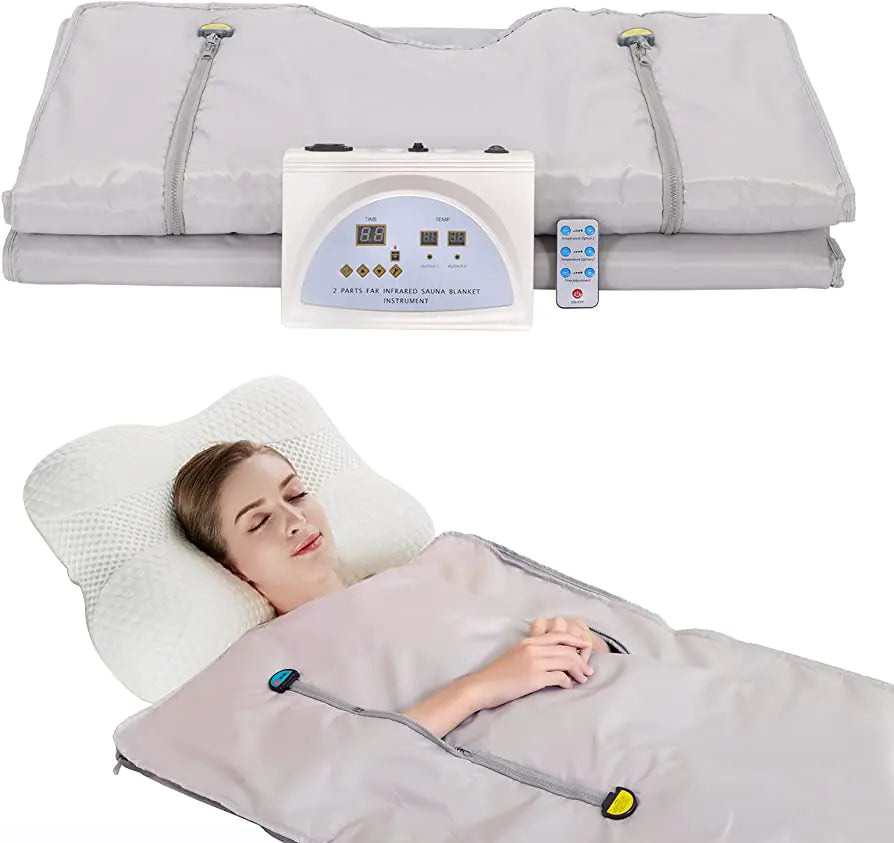
If you're using a sauna blanket rather than a full cabin sauna, the heat delivery is somewhat different — closer, more direct, and often reaching an effective sweat state faster — so start on the shorter end of the heat-phase range and adjust based on how quickly you're actually sweating rather than following the timing rigidly.
Timing: how often, and around what
Contrast sessions are demanding on the body in a way that a stand-alone cold plunge or a stand-alone sauna session isn't, simply because you're asking your cardiovascular system to swing between two extremes repeatedly in one sitting rather than adapting in one direction. Two to three sessions a week is a reasonable ceiling for most people building this into a routine, with rest days between rather than stacking contrast sessions on consecutive days while you're still learning how your body responds.
If you're also doing stand-alone cold plunges as part of a separate routine (see our beginner cold plunge protocol), it's worth treating contrast sessions as a distinct practice with its own frequency budget rather than simply adding them on top of an already-full cold-exposure schedule. The combined cardiovascular demand of heat-then-cold cycling is not the same as cold alone, and treating the two as interchangeable is a common way people overextend themselves without realising it.
The cardiovascular caution that matters more than the protocol
This is the section worth reading most carefully if you skim the rest. The core physiological fact, well established in Tipton and colleagues' 2017 review on cold water immersion, is that cold water immersion produces a rapid cardiovascular load: the cold shock response drives a spike in heart rate and blood pressure in the first 30–90 seconds of immersion, largely independent of fitness level.
Contrast therapy adds a second layer on top of that specific finding: you're entering the cold phase not from a resting baseline, but from a heat-dilated state, where your heart rate is already elevated from the sauna and your blood vessels are dilated rather than constricted. Moving directly from that dilated, elevated-heart-rate state into cold water means your cardiovascular system is doing more work, more quickly, than a cold plunge alone from a resting baseline would ask of it. This is a reasonable, physiologically grounded caution to layer onto the general cold-shock guidance Tipton's review describes — not a separate claim beyond what that evidence actually supports.
Practical implications:
- Never do contrast therapy alone, and treat this rule as more important here than for stand-alone cold plunging, given the added cardiovascular demand of the heat-to-cold transition.
- Don't rush the transition — walking from sauna to plunge rather than sprinting gives your system a moment to begin adjusting rather than compounding sudden heat-dilation with sudden cold-shock in the same instant.
- Watch for dizziness or lightheadedness during the heat phase specifically — sauna sessions alone can cause a drop in blood pressure upon standing, and doing this before a cold phase compounds the transition your cardiovascular system has to manage.
- If you have any cardiovascular condition — high blood pressure, arrhythmia, a history of heart disease — talk to a doctor before attempting contrast therapy specifically, separate from any general clearance you might have for cold plunging or sauna use alone. The combined demand of the two is genuinely different from either practice on its own, and this is not a caution to skip because you've already cleared one half of the equation.
- Stop immediately if you feel unwell at any point in either phase — chest discomfort, unusual shortness of breath, dizziness that doesn't settle, or numbness beyond ordinary cold sensation are all reasons to end the session, not push through to complete a planned round count.
Building it into a home setup
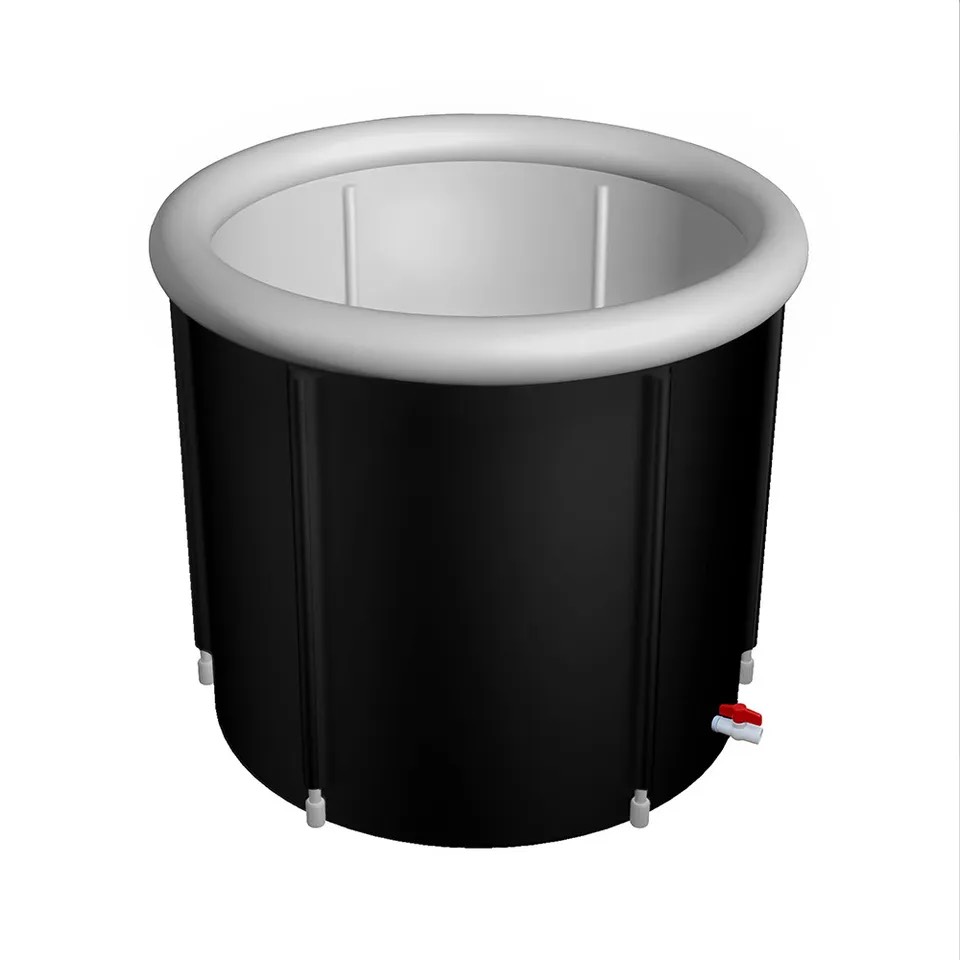
If you're setting up contrast therapy at home rather than at a spa or gym, proximity between your heat and cold sources matters more than it seems on paper — the whole point of the transition is moving between them promptly, and a long walk between a sauna room and an outdoor tub changes the physiology of what you're actually doing versus a quick few steps between a sauna blanket and an indoor plunge tub. See our ice bath home setup guide for the placement and drainage considerations that matter for the cold side of this pairing, and treat the sauna and plunge as one connected space to plan around rather than two separate purchases.
The honest summary
Contrast therapy has a long practical track record and a genuinely well-understood physiological mechanism behind the individual hot and cold phases — but the specific claim that alternating the two produces a bigger benefit than cold exposure alone isn't backed by the same weight of controlled trial evidence as cold water immersion on its own. That's a reasonable thing to know going in, not a reason to avoid the practice if you enjoy it and find it useful. What matters more for your actual safety is respecting the added cardiovascular load of the heat-to-cold transition specifically, never doing it alone, and treating any dizziness, chest discomfort, or unusual symptoms as an immediate stop signal rather than something to push through.
This article is for general information and does not constitute medical advice. Contrast therapy combines two forms of cardiovascular stress and carries meaningfully elevated risk for people with heart conditions, uncontrolled high blood pressure, or a history of arrhythmia. Consult a doctor before starting, never do this alone, and stop immediately if you feel unwell.
References
- 1.Tipton MJ, Collier N, Massey H, Corbett J, Harper M. (2017). Cold water immersion: kill or cure? Experimental Physiology, 102(11), 1335–1355.
- 2.Machado AF, et al. (2016). Can Water Temperature and Immersion Time Influence the Effect of Cold Water Immersion on Muscle Soreness After Exercise? A Systematic Review and Meta-Analysis. Sports Medicine, 46(4), 503–514.
This article is for general information and does not constitute medical advice. Cold water immersion is not a medical treatment. Consult a professional if you have cardiovascular conditions.
Gear for this
Related reading
Cold plunge temperature guide: what the science supports
How cold is cold enough, how long should you stay in, and does colder always mean better? A practical guide grounded in the immersion research.
How to build a cold plunge routine: a beginner's protocol
Where to start, how fast to progress, and how to fit cold plunging around training without undoing your gains. A week-by-week protocol grounded in the evidence.
Cold exposure, mood and energy: what studies show
Cold water triggers a real, measurable jolt to your nervous system. What that jolt actually proves — and what it doesn't — is more specific than most claims about cold and mental health.
Are ice baths good for you? What the research actually says
A clear-eyed look at the evidence behind cold water immersion — muscle soreness, mood, sleep, and where the science is still thin.