Free UK & EU delivery on orders over £100
Verdict: If you plunge less than twice a week, ice is genuinely fine and a chiller isn't worth it yet. Once you're plunging 3+ times a week, or want a consistent temperature without the hassle, a chiller pays for itself in saved time and ice costs within a few months.
| Feature | Ice top-ups | Standalone chiller |
|---|---|---|
| Upfront cost | £0 (just buy ice as needed) | £599-£999 (Kaldera Chill Core range) |
| Ongoing cost | Bags of ice every session, adds up over months | Electricity only — no recurring ice spend |
| Temperature consistency | Varies session to session, drifts warmer over time | Holds a set temperature automatically |
| Setup effort per session | Buy, carry, and empty bags of ice each time | Turn on, walk away |
| Water hygiene | Manual — more frequent full changes typically needed | Filtration in most units reduces how often you fully drain and refill |
| Best for | Occasional plungers (1-2x/week or less) | Regular plungers (3x/week+) or anyone wanting consistent temperature |
This isn't a competitor comparison — it's the question we get asked most by people who already own a tub: is a chiller actually worth it, or is it just an upsell? Here's the honest, numbers-first answer, because the right choice genuinely depends on how often you plunge.
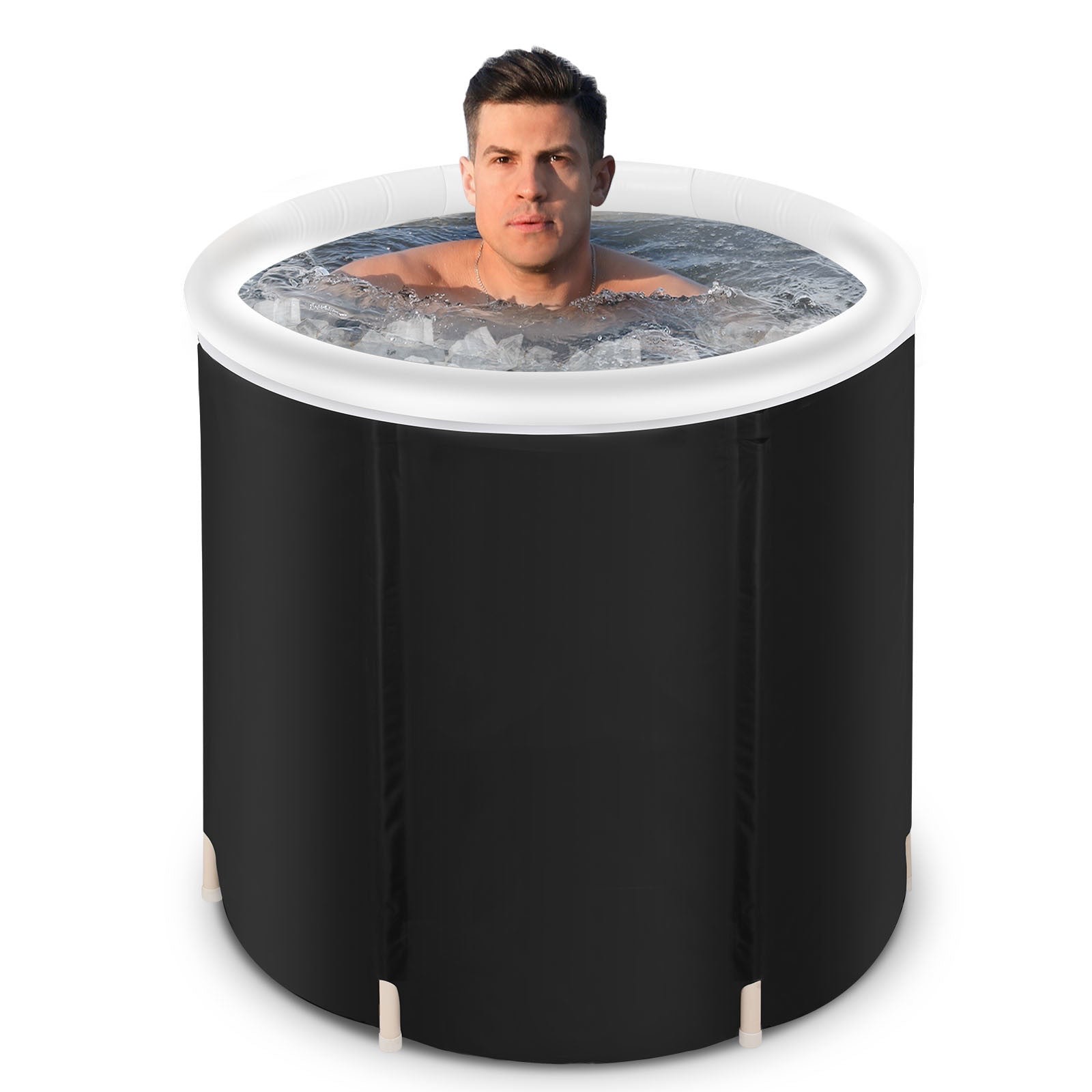
If you're plunging once or twice a week, ice is the right call and a chiller would be money spent solving a problem you don't really have. A bag or two of ice, topped into cold tap water, gets you into a genuinely effective temperature range for a single session — see our temperature guide for what the research actually supports, typically somewhere in the 10-15°C range for the benefits most people are after. At that frequency, the total ongoing cost of ice over a year is modest, and the "hassle" of buying and hauling bags a couple of times a week is a minor inconvenience rather than a real barrier.
Ice also has one advantage a chiller doesn't: zero upfront cost and zero maintenance. There's nothing to service, no filter to clean, nothing that can break.
The economics flip once you're plunging three or more times a week. At that frequency you're buying ice constantly — most weeks, several bags — and it never stops being a recurring cost, unlike a chiller which is a one-time purchase plus electricity. There's also a time cost that's easy to underweight: driving to buy ice, carrying it, breaking it up, and disposing of the bags is real friction that, anecdotally, is one of the most common reasons people quietly stop plunging as often as they intended to. A chiller removes that friction entirely — you turn it on and the water is at temperature whenever you want it, no shopping trip required.
Water hygiene is the other practical factor. Without a chiller's filtration, a tub topped up with plain ice generally needs a full drain-and-refill more often to stay clean between uses — see our for the specifics. Most chiller units include a filtration stage that reduces how often you need to do a full change, which is a genuine time saving on top of the temperature convenience.
This page is for general information and does not constitute medical advice. Cold water immersion is not a medical treatment. Consult a professional if you have cardiovascular conditions. Competitor prices and policies were checked at the date shown above and may have changed since.
How cold is cold enough, how long should you stay in, and does colder always mean better? A practical guide grounded in the immersion research.
How often to change your water, how to keep it clean between changes, and how chiller and cold-weather upkeep actually work in practice.
Where to start, how fast to progress, and how to fit cold plunging around training without undoing your gains. A week-by-week protocol grounded in the evidence.
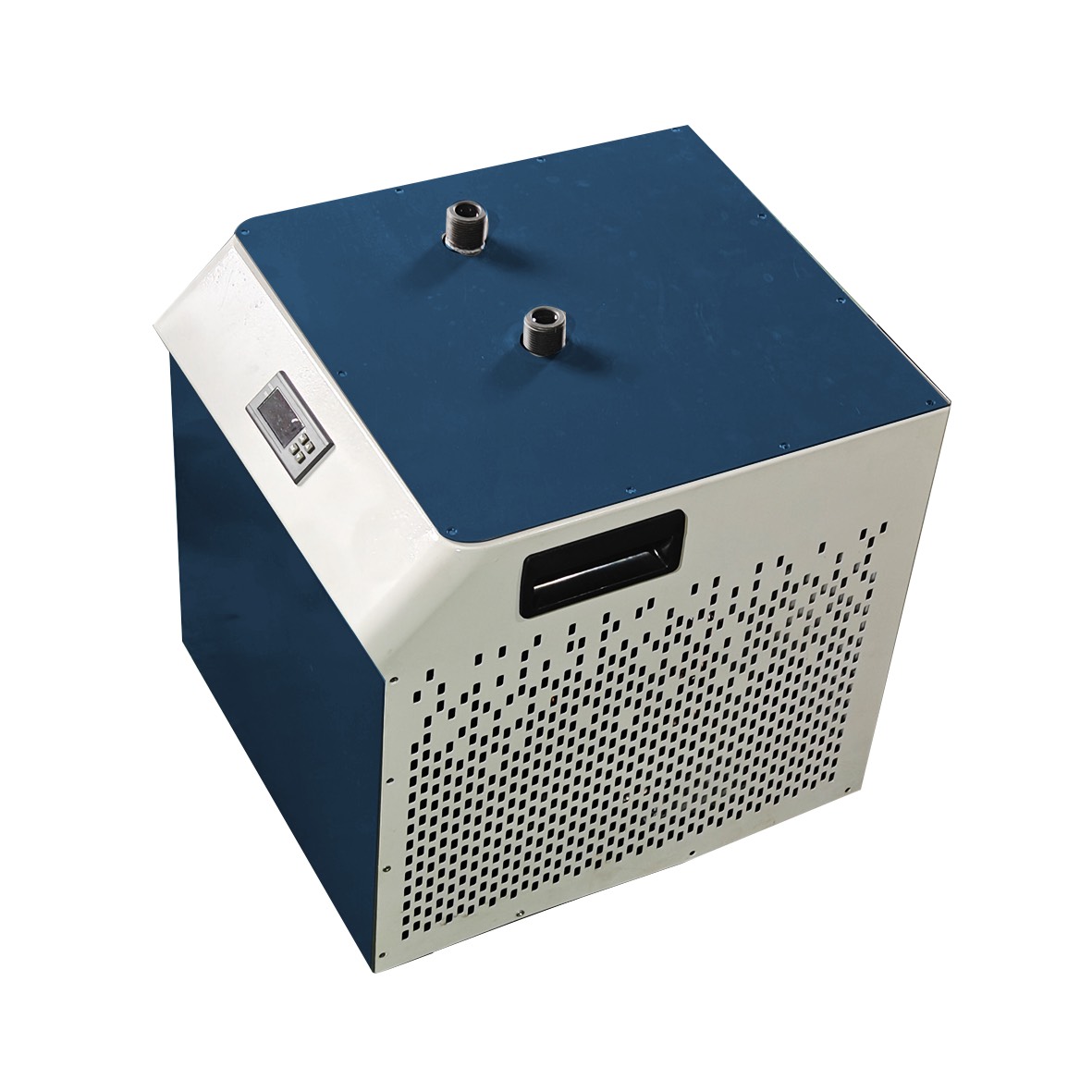
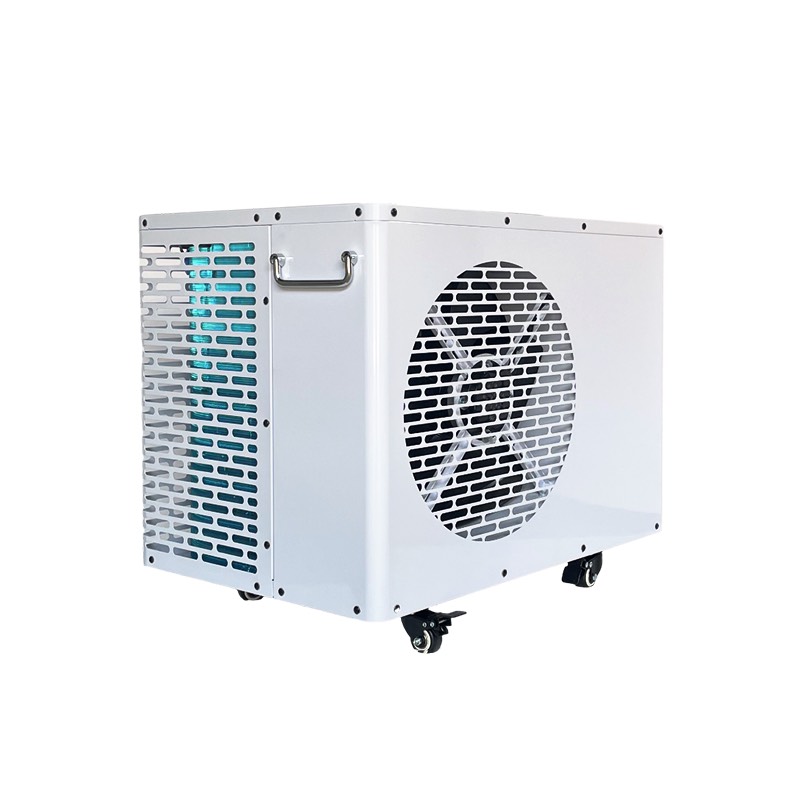
Take our own range as a concrete example, since we can speak to it accurately: a Chill Core 300 is £599, a Chill Core 500 is £799, and the Chill Core Pro is £999. If you're spending on the order of a few pounds per session on ice bags at 3+ sessions a week, that adds up to a meaningful ongoing spend over a year — enough that the chiller's upfront cost is recovered within a matter of months for a genuinely regular plunger, before you even count the time saved not buying and hauling ice. If you're plunging once a week or less, that payback period stretches out much further, and ice remains the more sensible choice.
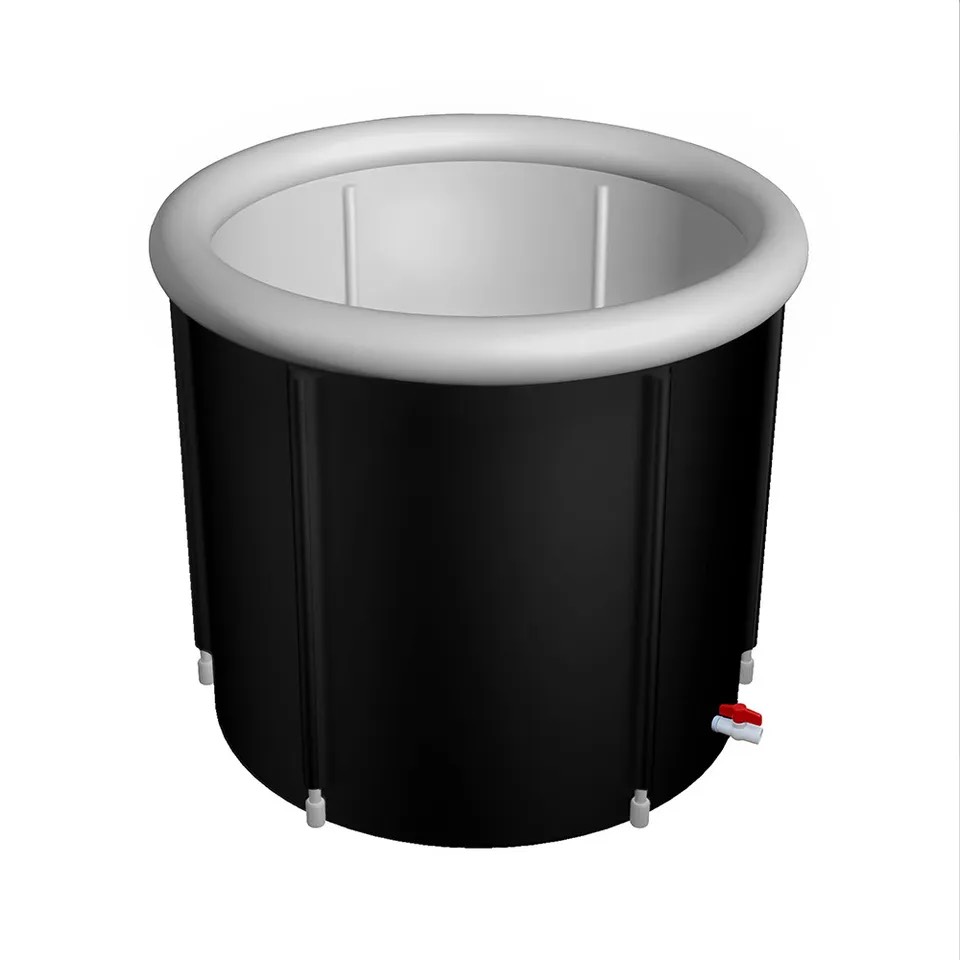
This is also a fair moment to be honest about the other end of the market: if you're weighing a Brass Monkey installation, chilling is already built into the unit price at that tier — a completely different economic calculation, covered in our Kaldera vs Brass Monkey comparison. And if you're still deciding between an inflatable tub and a rigid one in the first place, that decision matters more than the chiller question — an inflatable tub generally isn't built to connect to a chiller at all, which is one of the honest trade-offs we cover in our Aldi ice bath review.
Cost and convenience get most of the attention in this decision, but water hygiene is the practical factor that catches people out after a few weeks of ownership either way. A tub topped up with plain ice and tap water still needs regular cleaning — skin, sweat, and airborne debris all end up in the water, and without any filtration a full drain-and-refill is the only way to keep it genuinely clean, which for a frequent user can mean doing it several times a week. A chiller with a built-in filtration stage extends the interval between full changes considerably, because it's continuously circulating and treating the water rather than sitting static between top-ups. That's a real time saving on top of the temperature convenience, but it's not zero-maintenance either — filters need periodic cleaning or replacement, and skipping that maintenance is one of the more common ways people shorten a chiller's working life. Our water care and maintenance guide covers the specifics for both setups if you want the detail before you decide.
It's worth being clear that a chiller doesn't make cold water immersion "work better" in any physiological sense — it makes achieving and holding a given temperature easier and more consistent. The research behind cold water immersion's effects on muscle soreness, alertness, and recovery is about the water temperature and immersion duration a person actually experiences, not the equipment used to get there. A perfectly measured 12°C from an ice-topped tub and a perfectly measured 12°C from a chiller-controlled tub deliver the same physiological exposure. The genuine benefit of a chiller is consistency and convenience — you're less likely to accidentally plunge in water that's drifted to 18°C because the ice melted since your last top-up, and you're more likely to actually complete your planned sessions because there's no shopping trip standing between you and the water. See our temperature guide for the specific ranges the research supports, regardless of which method gets you there.
One factor that shifts the calculation without changing the underlying logic: winter tap water in the UK often sits close to, or even within, the commonly studied 10-15°C range on its own, meaning some months you may need little or no added ice at all regardless of which setup you have. Summer is the opposite case — tap water can sit well above that range, so ice or active chilling becomes necessary just to reach a usable temperature, not merely to make it colder. If most of your plunging happens in colder months, the ice-versus-chiller decision matters less than it will come spring and summer, when a chiller's ability to hold a set temperature regardless of ambient conditions becomes the more obvious advantage. Worth factoring in if you're deciding now but plan to plunge year-round.
There's no universally correct answer here — it's a frequency calculation, not a status upgrade. Ice is genuinely the right choice for occasional plungers, and we'd rather tell you that plainly than sell a chiller to someone who plunges once a fortnight. Once you're in for the long haul, the maths tips clearly toward a chiller paying for itself in both money and hassle.
Kaldera Plunge 80 + Chill Core 300 + Floating Thermometer, boxed together